7 Signs It's Time to Replace Your Home's Flooring
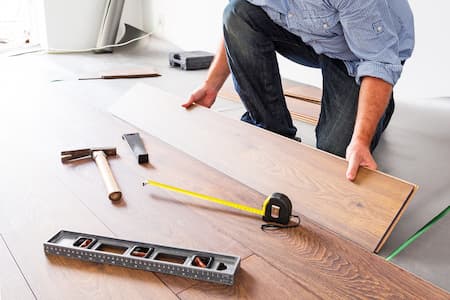
Wondering when to replace flooring in your Everett home? Daily foot traffic, wet winters, and gritty sand from nearby parks can wear out even the best surfaces. If you're noticing changes underfoot or seeing damage, your floors may be speaking up. This guide walks through clear, real-world signals that it's time to consider replacing your flooring, so you can plan your next step with confidence.
As a local construction company, Nā Koa Construction & Painting LLC helps homeowners across neighborhoods like Silver Lake, Port Gardner, Pinehurst, and Riverside choose durable materials and smart installation methods for the Pacific Northwest climate.
1) Persistent Water Damage or Swelling
In Everett, long rainy stretches and the occasional plumbing issue are common. If boards cup, edges curl, or seams stay swollen after you've addressed the source of moisture, the core of the material is likely compromised. You may also notice dark stains spreading beyond the original spill, or a musty odor that lingers in the room.
Water that seeps into tongue-and-groove joints or under LVP can weaken adhesives and subfloors. When that happens, spot fixes won't restore integrity. If you see ongoing moisture damage, plan for full flooring replacement to protect the subfloor and indoor air quality.
2) Cracking, Warping, or Separated Planks
Seasonal humidity swings can stress wood-based products. Engineered hardwood handles changes better than solid wood, but it still has limits. If you notice widening gaps that don't close as seasons change, edges that lift, or boards that feel uneven, the floor may be beyond simple repair.
Homeowners often call us after repeated attempts to re-seat boards or add transition strips. When the pattern of failure spreads, it's usually a sign that the wear layer or locking system has given out. That's when a new installation will deliver better results than piecemeal fixes.
3) Visible Wear Paths and Finish Breakdown
Every home develops traffic lanes. In busy Everett households with kids, pets, and muddy boots, finish failure shows up as dull, gray streaks or areas where wood grain looks bare. On LVP or laminate, the top coat may look cloudy or scratched through, revealing a different tone beneath.
If cleaning and approved maintenance products no longer restore the sheen, the protective layer has worn away. With wood, deep wear often outpaces what a safe refinish can solve. With resilient products, surface pattern loss cannot be repaired. Replacement is the most reliable way to get an even, long-lasting look.
4) Soft Spots, Squeaks, or Movement Underfoot
Floors should feel solid. When you step, and the floor gives, bounces, or groans, it often points to damaged subflooring, fasteners that have loosened, or water intrusion from past leaks. These issues show up most around sinks, dishwashers, bathrooms, and patio doors.
Squeaks can be minor, but a network of noises combined with movement suggests structural layers need attention. Persistent soft spots are a safety concern and usually mean it's time to replace both the floor covering and affected subfloor panels.
5) Stains, Odors, and Allergen Buildup
In older floors, spills and pet accidents can penetrate seams and underlayment. Even after professional cleaning, odors sometimes return during humid spells. If you see dark edges along baseboards or smell mildew after heavy rain, the material may be harboring moisture and allergens.
New floors with modern underlayments and better moisture barriers help keep the air fresher and reduce allergy triggers. This upgrade is especially helpful for families in damp zones near the Snohomish River or shaded lots where interiors stay cool and humid.
6) Multiple Failed Repairs or Mismatched Patches
One repair is normal. A second one may be fine. But when you're collecting a "quilt" of different finishes and shades after each fix, it hurts the look and resale appeal. With damaged hardwood flooring, repeated board replacements can create a checkerboard effect. With LVP, discontinued patterns make it tough to find a perfect match.
If you've already tried several patches and still see new issues each season, channel those dollars into a full, planned replacement. You'll get a consistent look and a manufacturer-backed system that performs better over time.
7) Your Floors No Longer Fit Your Life
Maybe the nursery became a home office, or you adopted an energetic dog. If your material now scratches too easily, soaks up spills, or looks tired despite regular care, it's a sign to choose a better fit. Many Everett homeowners move from older laminate to LVP flooring replacement for improved water resistance, or upgrade engineered hardwood for a richer, longer-lasting finish.
When style, maintenance, and durability no longer line up with how you use the space, replacing the floor can make the whole room feel new again.
How These Signs Show Up Across Materials
- Hardwood: cupping, split boards, finish worn to bare wood, recurring pet odors in seams.
- Engineered hardwood: edge delamination, swollen planks near kitchens, limited refinish options.
- LVP and LVT: clicking joints that separate, permanent dents, and top-layer haze that won't clean off.
- Tile: cracked tiles radiating from a soft spot, crumbling grout, hollow sounds from failed adhesion.
Everett Climate Factors to Keep in Mind
Our coastal climate is hard on floors. Winter moisture and spring rain track in water and grit that grind finishes. Summer temperature shifts can stress wood and engineered products in homes without steady humidity control.
Entry areas in neighborhoods like Bayside and View Ridge see extra wear from outdoor activity. Basements and lower levels in Lowell and Valley View can run cooler, which means more condensation risk. Choosing the right underlayment, moisture barrier, and transition details is just as important as the top surface.
When Repairs Might Still Make Sense
Some issues are cosmetic. A single scratch in hardwood, a loose transition strip, or a cracked tile from a dropped pan may be fixable. But if problems recur across different rooms, or if moisture is involved, replacement is the smarter long-term move.
Ask for a pro assessment that evaluates the subfloor, transitions to adjoining rooms, and the age of your material. This helps you compare the benefit of a short-term fix against the value of a full update.
Choosing Materials That Work for Your Home
Picking the right product prevents the same problems from returning. If you battled stains and odors, look for surfaces with tight locking systems and waterproof-rated cores. If you had engineered hardwood flooring problems like edge lift in damp rooms, consider updated options with thicker wear layers and improved core stability.
Households with pets and kids often prefer resilient options in play zones, then use hardwood in drier living areas for warmth and resale appeal. Your installer can recommend trims, stair nosings, and thresholds that keep everything aligned and secure.
Real-World Triggers We See Around Everett
- Entry mudrooms with finish worn to a flat, gray lane that never shines up.
- Kitchen boards with long, dark stains near dishwashers or fridges that reappear each winter.
- LVP planks that click open in wide living rooms after the heat turns on in October.
- Bedrooms where carpet padding smells musty and triggers allergies after rainy weeks.
Why Professional Installation Matters
A strong product still needs a strong install. Proper acclimation, flatness checks, moisture testing, and correct underlayment are what make new floors last. Skipping any of these steps is the fastest way to see movement, squeaks, and gaps reappear.
Partnering with a trusted Everett flooring contractor ensures the subfloor is sound, transitions are planned, and movement joints are placed where your room needs them. That's how you avoid callbacks and enjoy quieter, longer-lasting floors.
What To Do If You're Seeing These Signs
Start by noting where issues show up most and what the room is used for. Then talk with a qualified team about replacement materials that match your life and climate. If your research has you comparing options, our local remodeling team is happy to walk you through hardwood, LVP, and tile choices that stand up to rain, pets, and daily routines.
Ready for flooring replacement in Everett? Call Nā Koa Construction & Painting LLC at 425-312-3724 to schedule your in-home assessment.
Plan Your Next Step With Confidence
When floors are swollen, cracked, or worn thin, you don't need to live with the frustration. A well-planned project replaces problem areas with durable materials and clean transitions that look great and feel solid every day.
From damp basements in Lowell to busy kitchens in Silver Firs, our team designs solutions for the Pacific Northwest. Replacing worn-out floors before damage spreads protects your subfloor and keeps your home healthier. If you're weighing materials, we can help you compare performance, maintenance, and comfort underfoot so your choice feels right for years.