What Homeowners in Everett Should Know Before Starting a Kitchen Remodel
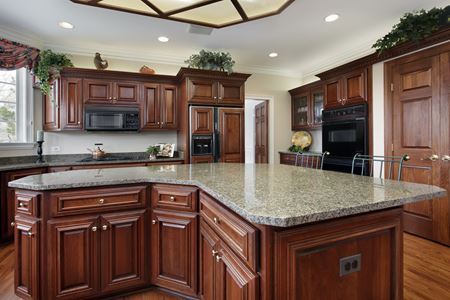
If you live in Everett, you know the kitchen is where people gather most. Before you jump into a kitchen remodel, it helps to understand the local process, how to plan a realistic timeline, and what to expect from a professional crew. This guide walks you through key steps Everett homeowners should know so your project moves smoothly from first idea to final walkthrough.
Start With A Clear Vision and Realistic Scope
Every successful kitchen starts with a grounded plan. Begin by listing what bothers you most today and what you want your new space to do better. Are you trying to open the room to the dining area, add more daylight, or improve storage with full-height pantries? Rank your goals so tough choices later are easier.
Define your non-negotiables, then set a practical scope. Structural changes, moving plumbing, or upgrading electrical can add steps to the schedule. If your Everett home is in a neighborhood like Bayside, Riverside, or Silver Lake, floor plans vary a lot, so the right solution will be unique to your house. It is normal for the scope to evolve, but decide on core elements early so your team can plan permits, sequences, and lead times.
- Identify must-have features, like a larger island or better task lighting.
- Decide what can wait for a future phase if needed.
- Collect photos that show your style rather than one exact design.
As you prioritize, it is helpful to read about layouts and finishes while also thinking through construction logistics. If you know your kitchen will need wall changes or new circuits, note those now so they are addressed in the plan rather than late in the build.
Permits, Codes, and Neighborhood Considerations
Most kitchen projects that alter structure, plumbing, or electrical systems will require permits. The specific permits and inspections depend on what is being changed and the current condition of your home. Avoid assumptions by talking with your contractor about the plan and which submittals are typical for Everett projects. Do not skip required permits or inspections; they protect your investment and help ensure safety.
Older homes in places like North Everett, Lowell, and View Ridge-Madison may have legacy wiring or framing that needs updates to meet current standards. Your contractor will account for this during the site visit and planning process. Expect scheduled inspections at key milestones such as rough-in and final. Your team should coordinate these and keep you updated on timing and access needs.
Layout, Workflow, and Ventilation that Fit Your Home
The best kitchens feel effortless to use. Your layout should support how you cook and clean, not just where the walls happen to be. Aim for a logical flow between the fridge, sink, and cooktop, clear prep surfaces, and direct paths to the dining area. If you frequently host game day gatherings or weekend brunch, consider widening aisles and adding seating zones that do not block cooking tasks.
Ventilation is just as important as layout. Choose a properly sized hood that vents to the outside, especially for gas ranges. Good ventilation helps control moisture in Everett's damp climate and keeps cabinets and finishes looking newer longer. If routing the duct is tricky, discuss options early, as that may influence cabinet design or soffits.
Smart Material Choices for The Puget Sound Climate
Everett's cool, wet seasons mean kitchens benefit from materials that handle moisture, temperature swings, and daily wear. Look for durable, easy-clean surfaces and hardware that stands up to humidity. Wood floors can work well with the right finish and care. Porcelain tile is a great match for busy households, and many options now mimic natural stone.
- Cabinets: Consider plywood boxes with quality hinges and soft-close hardware for long-term performance.
- Countertops: Quartz offers low maintenance with strong stain resistance.
- Backsplashes: Porcelain or ceramic tile cleans easily and holds up to steam.
- Flooring: Waterproof luxury vinyl and porcelain tile are solid choices in high-traffic zones.
Ask about moisture-resistant drywall in splash zones and proper sealing at sinks and dishwashers. In open-concept plans, choose finishes that flow with adjacent living areas so the whole space feels cohesive.
Timeline, Lead Times, and How to Avoid Delays
Modern projects often hinge on product availability. Custom cabinets, specialty appliances, and certain tile lines can carry longer lead times. Order critical items as soon as final selections are approved. Lock decisions early to prevent schedule slips, especially if you want a specific brand or finish.
Your contractor will outline a typical sequence: verification of measurements, demo, framing, rough-ins for electrical and plumbing, drywall, cabinets, countertops, tile, flooring, trim, paint, and final fixtures. Weather is less of a factor inside the home, but truck deliveries and any exterior venting work may be scheduled with rain in mind. If you are in neighborhoods with tighter lots like Port Gardner or Bayside, allow extra time for careful material handling and parking coordination.
Power, Plumbing, and Safety Planning
Kitchens pack a lot of systems into one room. Plan dedicated circuits for major appliances, GFCI protection where required, and appropriate lighting layers. Good lighting blends ambient, task, and accent sources so the room works at all times of day. For plumbing, confirm fixture locations, shutoff access, and any relocation of lines before flooring is set.
Safety matters through every step. Keep pets and kids away from work zones, and decide on a temporary kitchen setup before demo starts. Dust control should include protected pathways, plastic barriers, and routine cleanup. If you have sensitivities, discuss low-VOC paints and adhesives with your contractor. Expect short daily check-ins to confirm progress and next steps; these help keep the project aligned with your goals.
Choosing Products That Match Your Everyday Use
Pick appliances and fixtures based on how you live, not just ratings. A family in Silver Firs that cooks nightly may value a larger range and easy-clean surfaces. Someone in Downtown Everett with a compact condo kitchen may prefer quiet, space-saving appliances and pull-out organizers. Ask for samples of cabinet finishes and counters to see them in your light, especially during our darker winter afternoons.
Storage can make or break the design. Tall pantry cabinets, roll-outs, tray dividers, and corner solutions turn tight spaces into organized zones. For islands, think about both seating and storage. A deeper overhang can add comfort but needs proper support; your contractor will size brackets or panels to suit.
How To Choose The Right Construction Partner
A professional team should provide clear communication, clean job sites, and predictable scheduling. Ask how they handle design coordination, change approvals, and punch lists. Look for photo documentation during rough-in so you know what is inside your walls before they are closed.
Because you are hiring a local construction company, you also want a team that understands Everett permitting routines and material suppliers in Snohomish County. Review recent projects similar to your scope rather than only portfolio highlights. References from homeowners in areas like Harborview or Pinehurst can be especially helpful because lot sizes and house ages vary.
Budget Guardrails Without Talking Numbers
Every home and plan is different, and costs vary by size, materials, and season. You can still protect your budget without exact figures. Build a short list of must-haves and nice-to-haves, then make selections that fit that framework. Spot potential add-ons early, like moving a window or upgrading ventilation, and decide whether they are worth it before work starts.
Ask your contractor what items are most likely to affect the schedule and scope. For example, switching to a custom range hood after cabinets are ordered can ripple through the plan. Keeping a small allowance for unknowns is smart in older Everett homes where surprises inside walls are possible.
What to Expect During Construction and Walkthrough
Good projects follow a steady rhythm. You will see daily progress as trades move through demo, rough-ins, finishes, and final. Your team should protect adjacent rooms, manage debris, and keep a tidy site. Expect a few days of quieter work during inspections and cure times for flooring or tile.
At the end, you will complete a walkthrough and create a short punch list. This ensures small items like touch-ups, hardware adjustments, or caulk lines get finished. Keep manuals, warranty cards, and maintenance notes in one place. Photograph shutoff valves and panel labels for future reference.
Local Tips for Everett Homes
Plan for gray winter light by using brighter task lighting and a reflective backsplash. If you have a view toward the water, frame it with window treatments that allow both privacy and daylight. For homes on sloped lots, verifying floor level early helps plan transitions between rooms and keeps counters comfortable to use.
Delivery trucks sometimes face tight turns on older streets. Talk with neighbors about staging space a few days before big deliveries. Clear the driveway when cabinets or counters are scheduled so crews can move safely and protect materials from rain.
Your Next Step
Ready to plan your kitchen remodel with a local expert? Call Nā Koa Construction & Painting LLC at 425-312-3724 to schedule a consultation. A short conversation can confirm priorities, outline permit steps, and map a timeline that fits your family's calendar.