What's the Difference Between LVP, LVT, and Engineered Hardwood Flooring?
If you're choosing new floors for an Everett home, you've likely compared LVP, LVT, and engineered hardwood. This guide breaks down the look, performance, and upkeep of each material so you can match the right floor to each room and lifestyle. As a local construction company, Nā Koa Construction & Painting LLC helps homeowners across Everett, Silver Lake, and Riverside pick long-lasting surfaces that stand up to Pacific Northwest rain, kids, and pets.
Luxury Vinyl Plank (LVP): What It Is and When It Shines
LVP is a resilient plank that mimics hardwood, complete with wood textures and varied plank lengths. It resists scratches from daily traffic and provides a softer, warmer step than tile. Many products are waterproof on the surface, which helps in wet seasons and busy households.
LVP is a smart pick for entryways, basements, and open living areas that see a lot of foot traffic after rainy days. It installs as a floating floor or glue-down, depending on subfloor and noise goals. Thicker wear layers usually improve durability and make cleanup easier after muddy soccer cleats or paw prints.
Luxury Vinyl Tile (LVT): Style, Grout Lines, and Versatility
LVT gives you the look of stone or ceramic with warmer underfoot comfort. You can select styles that accept flexible grout for a realistic tile effect without the cold feel of porcelain. It's a popular choice in Everett bathrooms, laundry rooms, and kitchens because it handles spills and splashes well.
Consider slip resistance and surface texture for spaces like mudrooms. A lightly textured LVT can add traction on wet days. Like LVP, quality wear layers help protect against scuffs from chairs and stools, which is helpful in busy kitchens near Forest Park and Boulevard Bluffs.
Engineered Hardwood: Real Wood with More Stability
Engineered hardwood is genuine wood on top with a layered core beneath. The cross-layered construction helps it stay flatter than solid hardwood when humidity shifts across seasons. That stability is useful in Everett, where cool, wet winters transition to drier summer weeks.
Engineered wood is not waterproof, but it manages everyday moisture better than solid planks when installed correctly. Many high-quality products can be refinished at least once, extending the life of your investment. You'll enjoy authentic grain, natural color variation, and a timeless look that often elevates living rooms and primary suites in neighborhoods like Bayside and Delta.
LVP vs LVT vs Engineered Hardwood
- Moisture Performance: LVP and LVT are commonly marketed as waterproof at the surface. Engineered hardwood is moisture-resistant, not waterproof.
- Look and Feel: LVP mimics wood. LVT mimics tile or stone. Engineered hardwood is real wood with natural warmth and texture.
- Durability: All three stand up to daily life when properly installed. Vinyl handles spills well; engineered hardwood can be refinished in many cases.
- Comfort and Sound: Vinyl floors are a bit softer and quieter than tile. Engineered wood feels solid and can be paired with quality underlayment.
- Maintenance: Sweep or vacuum regularly. Avoid steam cleaning on both vinyl and wood. Use felt pads and entry mats to reduce scratches.
- Radiant Heat: Many engineered hardwood and rigid vinyl options can work with radiant systems. Always follow the specific product's limits.
How to Choose the Best Flooring for Your Home
Match your choice to the room, how you use it, and the conditions it sees. Families with pets in Silver Lake may lean toward LVP for scratch resistance and easy cleanup. Condo owners downtown might want the look of stone without the chill underfoot, which makes LVT attractive. If you're refreshing a craftsman near Riverside and want long-term character, engineered hardwood often delivers the most natural appeal.
- High-Moisture Areas: Bathrooms, laundry rooms, and mudrooms often favor LVT or LVP.
- Main Living Spaces: Engineered hardwood or LVP both perform well, depending on style goals.
- Basements: LVP commonly gets the nod thanks to moisture tolerance and comfort.
- Homes With Pets: LVP and LVT resist accidents and are easy to wipe clean.
If you're comparing real-world samples, bring them into your space at different times of day. Natural light in Bayside can shift dramatically from morning to evening, which changes how wood tones or stone patterns read in a room. For expert guidance and a curated selection, explore LVP, LVT, and engineered flooring with a pro who understands local homes and subfloors.
Subfloor and Acoustics: What Many Buyers Overlook
Great flooring starts with a flat, dry, and clean subfloor. Floating vinyl needs a level base to prevent movement and clicks. Engineered hardwood benefits from careful prep to avoid telegraphing imperfections. In upstairs spaces or condos, underlayment choice matters. A quality underlayment can reduce sound transfer to neighbors and make steps feel more solid.
Everett homes built in different decades may have mixed substrates from room to room. Your installer will test for moisture and flatness, then recommend leveling or underlayment to meet the product's requirements. That prep helps protect warranties and gives you a better-looking, longer-lasting floor.
Care and Maintenance Basics
Daily care is simple. Vacuum with a hard-floor setting or use a microfiber dust mop. Wipe spills quickly. Use manufacturer-approved cleaners. For engineered hardwood, follow the humidity targets set by the product line. In our climate, a small dehumidifier can help stabilize wood in closed rooms during long wet spells.
Waterproof doesn't mean flood-proof. Vinyl floors handle surface water, but standing water from leaks should be addressed quickly to protect subfloors and adjacent finishes.
Skip steam mops on vinyl or engineered wood. Excess heat and moisture can weaken adhesives or damage finishes. Stick to pH-neutral cleaners and soft pads.
Use felt pads under furniture. Chairs and tables move daily and can scuff any surface. Replace pads regularly so grit doesn't scratch the finish.
Room-By-Room Recommendations
Kitchens and Dining
LVT brings stone looks with softer steps, which is easier during long cooking sessions. If you want a continuous wood tone through connected spaces, LVP keeps a unified look in hallways and pantries.
Living Rooms and Bedrooms
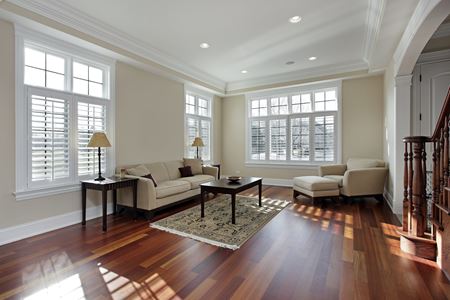
Engineered hardwood adds warmth and helps resale perception in many neighborhoods. Homeowners who prefer no-shine finishes often choose matte wood for a calm, modern feel.
Basements and Flex Rooms
LVP performs well in below-grade spaces with proper moisture mitigation. It's a practical option for game rooms, home gyms, or movie spaces where comfort and cleanup matter.
Climate and Installation Planning
Schedule installation with our wet season in mind. Delivery, acclimation, and subfloor tests are planned to align with humidity targets. Good airflow and controlled indoor conditions help both vinyl and wood settle in as intended. Doorway transitions, stair nosings, and base details also matter. Clean, color-matched trims finish the look and add durability in entryways used daily.
Which Floor Should You Pick?
If you value waterproof performance and quick cleanup, LVP or LVT usually wins. If you want the authenticity and warmth of real wood, engineered hardwood stands out. Many Everett homeowners combine materials by room: LVP in the basement and mudroom, engineered hardwood upstairs, and in main gathering spaces. That mix gives you style where you want it and moisture defense where you need it.
Ready to compare LVP vs. LVT vs. engineered hardwood with a local specialist? Talk with Nā Koa Construction & Painting LLC for recommendations tailored to your rooms, pets, and daily routine. A short visit to review samples in your lighting can bring a fast, confident decision.
Get Expert Help From A Local Team
When you're weighing LVP vs LVT or engineered hardwood vs LVP, experienced installers make the difference. We assess subfloors, check moisture, and match products to your household so you avoid common pitfalls. For project planning and coordination, our team of experts can help you map rooms, timelines, and finishing details from the first sample to the final walkthrough.